
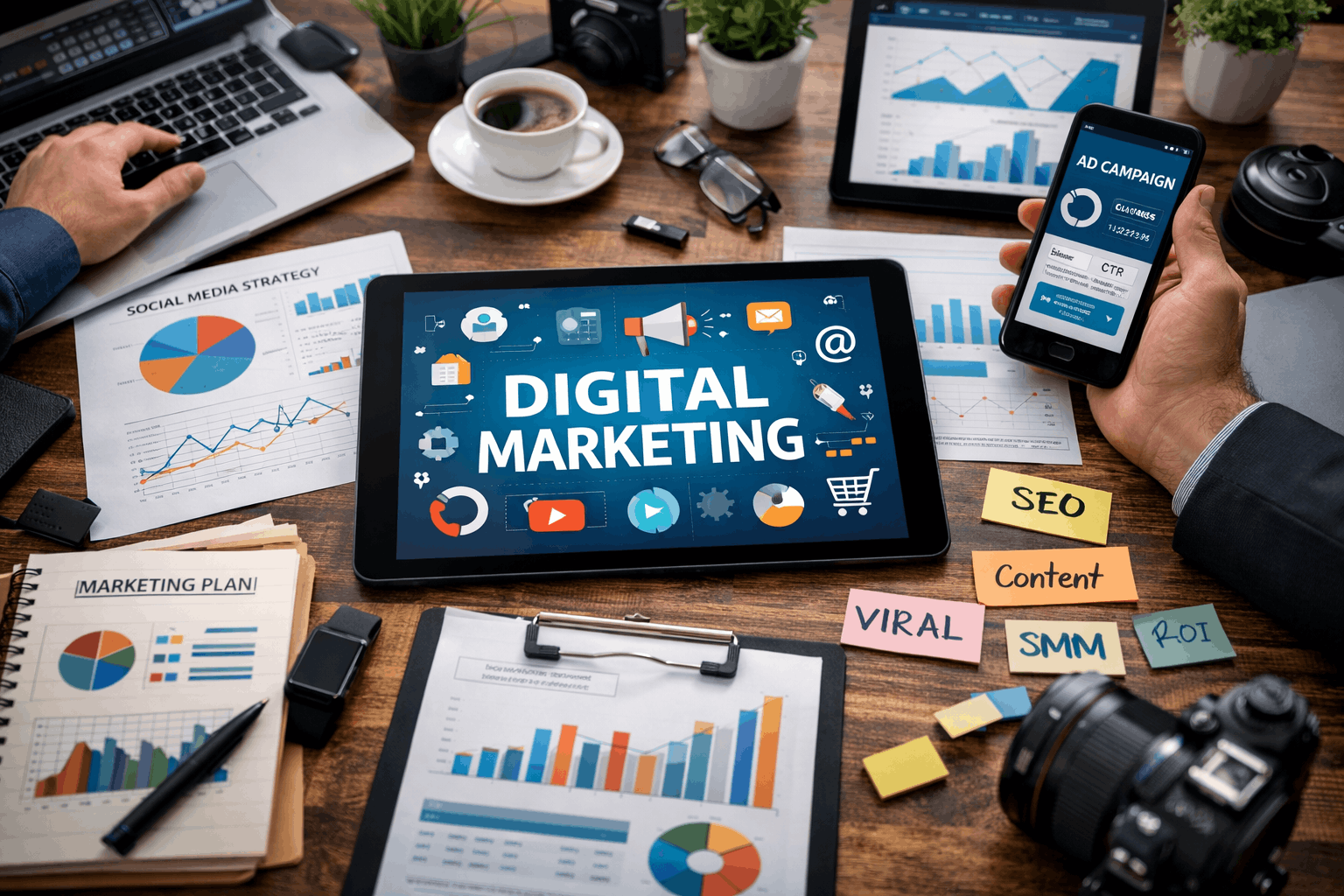


In 2026, digital marketing is no longer optional, it’s the lifeline of startup success. With consumer behavior increasingly shaped by online interactions, startups must leverage digital platforms to reach, engage, and convert their audiences. Unlike traditional marketing, digital strategies provide measurable results, real-time feedback, and global reach, making them indispensable for businesses that need to grow quickly and efficiently.
Startups thrive on agility, and digital marketing offers exactly that. Whether through social media campaigns, SEO-driven content, or data-powered advertising, startups can adapt strategies instantly to market shifts. This flexibility ensures that even small teams can compete with larger enterprises by targeting niche audiences and building strong brand identities.
Another reason digital marketing matters in 2026 is the rise of AI-driven personalization. Consumers expect tailored experiences, and startups can deliver them through predictive analytics, automated email campaigns, and personalized content. This not only boosts customer satisfaction but also accelerates brand loyalty an essential ingredient for long-term startup success.
Finally, digital marketing empowers startups to scale sustainably. By focusing on cost-effective channels like content marketing and organic search, startups can maximize ROI while conserving resources. In a competitive landscape, the ability to grow smarter, not just faster, is what sets successful startups apart in 2026.
Table of Contents
The Role of Digital Marketing in Startup Success

In today’s competitive landscape, digital marketing plays a pivotal role in driving startup success. Startups often face challenges such as limited budgets, lack of brand recognition, and the need to scale quickly. Digital marketing provides cost-effective solutions that allow new businesses to reach their target audience, build credibility, and generate measurable results without the heavy expenses of traditional advertising.
One of the most significant advantages of digital marketing for startups is its ability to create visibility and awareness. Through SEO-driven content, social media engagement, and targeted advertising, startups can position themselves in front of the right customers at the right time. This visibility is crucial for building trust and establishing a strong brand identity, which directly contributes to long-term startup success.
Digital marketing also empowers startups with data-driven insights. By analyzing customer behavior, campaign performance, and market trends, startups can refine their strategies in real time. This agility ensures that marketing efforts are not wasted and that every dollar spent contributes to growth. For startups, this adaptability is a game-changer, allowing them to pivot quickly and stay ahead of competitors.
Finally, digital marketing fosters sustainable growth by nurturing customer relationships. Tools like email marketing automation, personalized content, and loyalty programs help startups maintain engagement and encourage repeat business. This ongoing connection between brand and customer is what transforms early traction into lasting startup success.
Key Digital Marketing Strategies for Startups

The Key Digital Marketing Strategies for Startups as listed:
Social Media Marketing Startups can use platforms like Instagram, LinkedIn, and TikTok to build brand awareness, engage directly with customers, and create viral campaigns. Social media is cost-effective and essential for driving early traction and visibility.
Content Marketing Creating valuable blogs, videos, and infographics helps startups establish authority in their niche. High-quality content attracts organic traffic, educates potential customers, and supports long-term startup success.
Search Engine Optimization (SEO) Optimizing websites and content for search engines ensures startups rank higher in search results. Strong SEO drives consistent, organic traffic and positions startups as credible solutions in their industry.
Paid Advertising & PPC Pay-per-click campaigns on Google Ads or social platforms allow startups to target specific audiences quickly. This strategy delivers immediate visibility and measurable ROI, making it a powerful tool for scaling fast.
Email Marketing & Automation Personalized email campaigns nurture leads, build customer relationships, and encourage repeat purchases. Automation tools save time and ensure consistent communication, which is vital for sustainable startup success.
Leveraging Data and Analytics for Growth
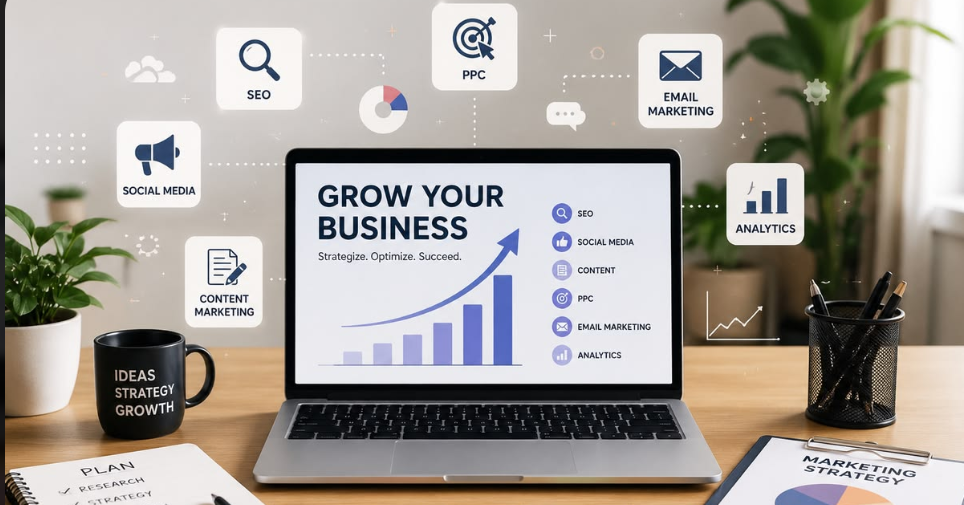
Harnessing data and analytics have become one of the most powerful ways for emerging businesses to scale effectively. By collecting insights from customer interactions, website performance, and campaign metrics, companies can make informed decisions that drive efficiency and innovation. Instead of relying on guesswork, analytics provide a clear picture of what works, what doesn’t, and where opportunities lie.
Data-driven decision-making allows businesses to identify patterns in consumer behavior, optimize marketing spend, and personalize experiences. For example, tracking engagement across different channels can reveal which platforms deliver the highest returns, enabling teams to allocate resources strategically. Similarly, predictive analytics can forecast trends, helping businesses stay ahead of market shifts and customer expectations.
Another critical advantage of leveraging analytics is the ability to measure performance in real time. This immediacy empowers teams to adjust strategies quickly, ensuring that campaigns remain relevant and effective. Over time, the consistent use of data builds a foundation for sustainable growth, as businesses refine their operations and strengthen customer relationships through evidence-based actions.
Building Brand Authority and Trust Online
Establishing credibility in the digital space is essential for any new business aiming to stand out in a crowded market. A strong online presence signals reliability, professionalism, and authenticity, which are qualities that customers look for before committing to a product or service. By consistently delivering valuable content, engaging with audiences transparently, and maintaining a clear brand voice, companies can position themselves as trusted leaders in their industry.
Trust is further reinforced through social proof, such as customer reviews, testimonials, and case studies. When potential clients see positive experiences shared by others, it builds confidence and reduces hesitation. Additionally, maintaining consistency across all digital channels—whether websites, social media, or email communications—helps create a unified identity that strengthens authority.
Another key factor is responsiveness. Businesses that actively listen to feedback, address concerns promptly, and adapt to customer needs demonstrate reliability and care. Over time, this commitment to authenticity and engagement fosters loyalty, ensuring that customers not only choose the brand initially but continue to support it in the long run.
Cost-Effective Marketing Channels for Startups
Social Media Platforms Free or low-cost tools like Instagram, LinkedIn, and TikTok allow startups to build awareness, engage audiences, and grow communities without heavy spending.
Content Marketing Blogs, videos, and infographics provide long-term value by attracting organic traffic and establishing credibility at minimal cost.
Search Engine Optimization (SEO) Optimizing websites and content helps startups gain visibility in search results, driving consistent traffic without ongoing ad expenses.
Email Campaigns Affordable email tools enable startups to nurture leads, maintain customer relationships, and encourage repeat purchases.
Influencer Collaborations Partnering with micro-influencers offers authentic promotion at a fraction of the cost compared to traditional advertising.
Community Building Engaging in online forums, groups, and niche communities helps startups connect directly with potential customers for free.
Referral Programs Encouraging existing customers to refer friends or colleagues is a low-cost way to expand reach and build trust.
Case Studies: Startups Thriving with Digital Marketing in 2026
Eco Wear A sustainable fashion startup that leveraged Instagram Reels and TikTok campaigns to showcase eco-friendly designs, resulting in rapid brand recognition and a 300% increase in online sales within six months.
HealthTrack A wellness app that used SEO-driven blog content and influencer partnerships to dominate niche search terms, boosting organic downloads and building a loyal user base across multiple regions.
FoodieGo A food delivery startup that implemented hyper-local PPC campaigns and personalized email automation, leading to a surge in customer retention and expansion into three new cities.
SkillUp An edtech platform that focused on LinkedIn marketing and thought-leadership content, positioning itself as a trusted authority in professional upskilling and securing major corporate partnerships.
GreenTech Solutions A clean energy startup that combined data-driven advertising with community-building initiatives, successfully attracting investors and scaling operations internationally.
Next-Gen Marketing Shifts Transforming Business
The landscape of online promotion is evolving rapidly, with new technologies reshaping how companies connect with audiences. Artificial intelligence and machine learning are enabling highly personalized experiences, ensuring that messages resonate more deeply with individual preferences and behaviors.
Interactive formats such as augmented reality and virtual reality are becoming mainstream, offering immersive ways for customers to engage with products and services. These experiences not only capture attention but also create memorable brand interactions that drive stronger loyalty.
Voice search and conversational interfaces are also changing the way people discover information. Businesses that adapt their content to natural language queries will find themselves better positioned to meet consumer needs in real time.
Sustainability-driven campaigns are gaining traction as well. Modern consumers increasingly value transparency and eco-conscious practices, rewarding companies that align with these principles. This shift highlights the importance of authenticity in building lasting relationships.
Together, these emerging approaches signal a future where adaptability, innovation, and customer-centric strategies define success in the digital marketplace.
Conclusion: Driving Business Growth Through Smarter Strategies
In 2026, the businesses that rise above the noise are those that embrace innovation, agility, and customer-centric approaches. Success is no longer about who spends the most, it’s about who thinks the smartest. By combining creativity with data-driven insights, companies can unlock opportunities that were once out of reach, scaling faster while building lasting relationships with their audiences.
The digital landscape rewards adaptability. Brands that experiment, refine, and evolve their strategies are the ones that stay ahead of shifting trends and consumer expectations. Every campaign, every interaction, and every piece of content becomes a stepping stone toward stronger visibility and deeper trust.
Ultimately, growth in this era is about momentum. When businesses harness modern tools with clarity and purpose, they don’t just survive they thrive. The future belongs to those who act boldly, innovate consistently, and transform challenges into opportunities. With smarter strategies guiding the way, accelerated growth isn’t just possible, it’s inevitable.
FAQs
Why is digital marketing important for new businesses in 2026?
It provides cost-effective ways to reach target audiences, build visibility, and scale quickly in competitive markets.
Which digital channels are most effective for startups?
Social media, SEO, content marketing, email campaigns, and paid ads are among the most impactful.
How can startups measure the success of their marketing efforts?
By tracking metrics such as website traffic, conversion rates, customer engagement, and ROI through analytics tools.
Is digital marketing affordable for startups with limited budgets?
Yes, many strategies like SEO, content creation, and social media engagement require minimal investment but deliver long-term value.
What trends will shape digital marketing in 2026?
AI-driven personalization, immersive experiences (AR/VR), voice search optimization, and sustainability-focused campaigns are leading the way.
Leave a Reply