


In 2026, brands are not just competing for customers. They are competing for attention, trust, and emotional connection. With digital platforms growing faster than ever, audiences scroll, swipe, and skim within seconds. In this hyper-visual world, a strong logo has become more than a graphic element. It is the face, voice, and personality of a brand.
A logo is often the first thing people notice about a business. Before they read your website content, before they explore your services, and before they decide to trust you, they see your logo. That first visual interaction shapes their perception instantly. In a world driven by digital impressions, your logo is your silent ambassador.
Table of Contents
The Evolution of Brand Identity in 2026
Brand identity in 2026 is no longer limited to colors and fonts. It is about storytelling, authenticity, and digital presence. Consumers are smarter, more informed, and more emotionally driven than ever before. They want to connect with brands that reflect their values.
A strong logo acts as the anchor of this identity. It communicates your mission without speaking. It expresses your tone without writing. Whether minimalistic or bold, futuristic or traditional, your logo sets the foundation for everything your brand represents.
With AI-powered design tools and evolving visual trends, businesses now have more options than ever. However, technology alone does not define brand identity. Strategy does. A thoughtfully designed logo aligned with brand values continues to be the key differentiator in 2026.
First Impressions Are Digital and Instant
In the era of social media feeds and e-commerce platforms, first impressions happen in milliseconds. Your logo appears on profile pictures, website headers, app icons, advertisements, and even chat interfaces. It must be versatile, scalable, and memorable.
When someone encounters your brand on Instagram, LinkedIn, or a search engine result page, your logo is often the first recognition point. If it feels professional and consistent, trust begins to build. If it looks generic or outdated, doubt creeps in.
A strong logo gives your brand immediate credibility. It signals that your business is serious, reliable, and invested in its identity.
A Logo Builds Recognition in a Crowded Market
The digital marketplace in 2026 is saturated. New startups emerge daily, and established ones constantly reinvent themselves. In such an environment, recognition is survival.
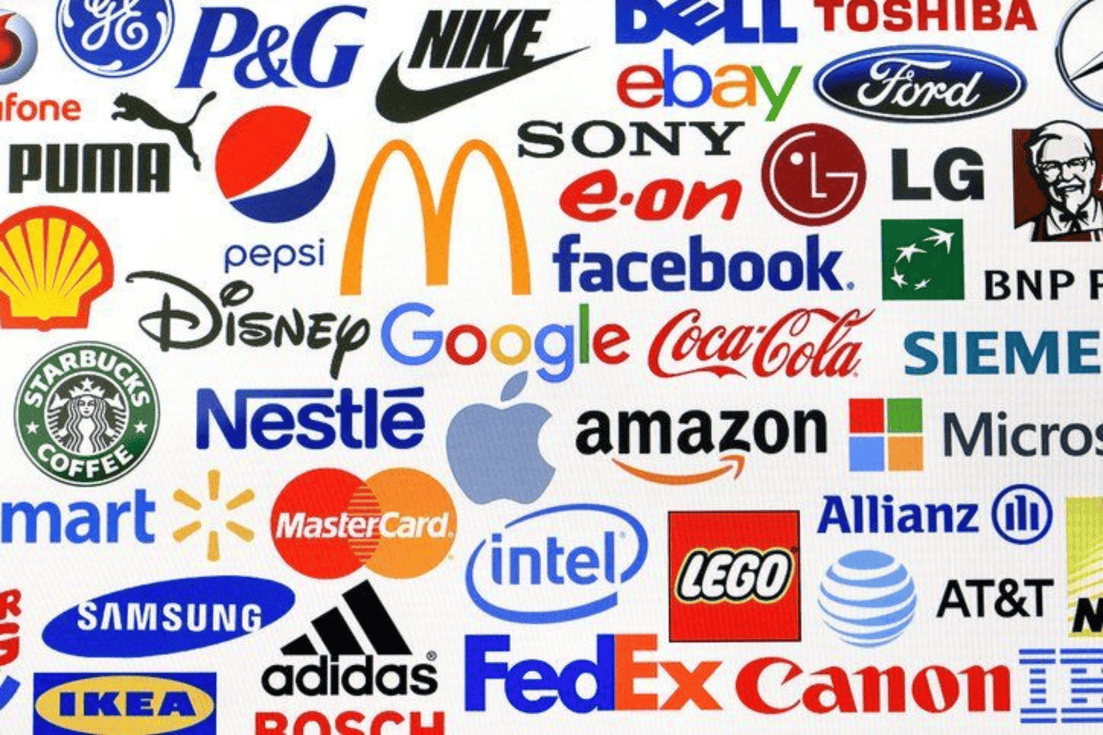
Think about globally recognized brands like Apple or Nike. Their logos are instantly identifiable even without the brand name attached. The simplicity and clarity of their designs have helped them stay relevant for decades.
While not every business aims for global dominance, the principle remains the same. A strong logo ensures your audience can instantly recognize your products across platforms. Recognition leads to familiarity, and familiarity builds trust.
Emotional Connection Begins with Visual Identity
Brand identity is deeply emotional. People do not just buy products; they buy stories and experiences. A logo plays a significant role in creating that emotional bond.
Colors trigger feelings. Shapes influence perception. Typography conveys personality. A rounded logo may feel friendly and approachable. A sharp, geometric design might appear bold and innovative. These subtle cues shape how customers feel about your products.
In 2026, emotional branding is stronger than ever. Consumers prefer brands that align with their beliefs and aspirations. A strong logo becomes the visual symbol of that shared connection.
Consistency Across Digital Platforms
Your brand exists everywhere in 2026. It lives on websites, social media channels, email signatures, digital ads, packaging, and even virtual environments. Without a strong logo, maintaining visual consistency becomes difficult.
Consistency reinforces identity. When customers repeatedly see the same logo across multiple touchpoints, their memory strengthens. Over time, your logo alone becomes enough to trigger brand recall.
A strong logo adapts seamlessly. It looks sharp on a smartphone screen and equally impressive on a billboard. It works in full color, monochrome, and minimal formats. Flexibility is not optional anymore; it is essential.
A Logo Reflects Professionalism and Credibility
In competitive industries, credibility determines success. A poorly designed logo can unintentionally communicate carelessness. On the other hand, a strong, well-crafted logo signals professionalism.
In 2026, consumers research brands before purchasing. They visit websites, explore social media, and read reviews. During this journey, a cohesive visual identity strengthens confidence.
Your logo becomes a visual assurance. It tells customers that your brand is established, organized, and trustworthy. In digital transactions where face-to-face interaction is rare, that reassurance is invaluable.
Differentiation in the Age of AI and Automation
Artificial intelligence has transformed design and branding. Many businesses now use AI-generated visuals. While this makes design more accessible, it also increases visual similarity across brands.
A strong logo in 2026 must go beyond templates and trends. It must capture what makes you unique. It should tell a story that no other business can replicate.
When customers compare multiple options online, differentiation becomes crucial. A distinctive logo helps your brand stand out instantly. It separates you from competitors who rely on generic visuals.
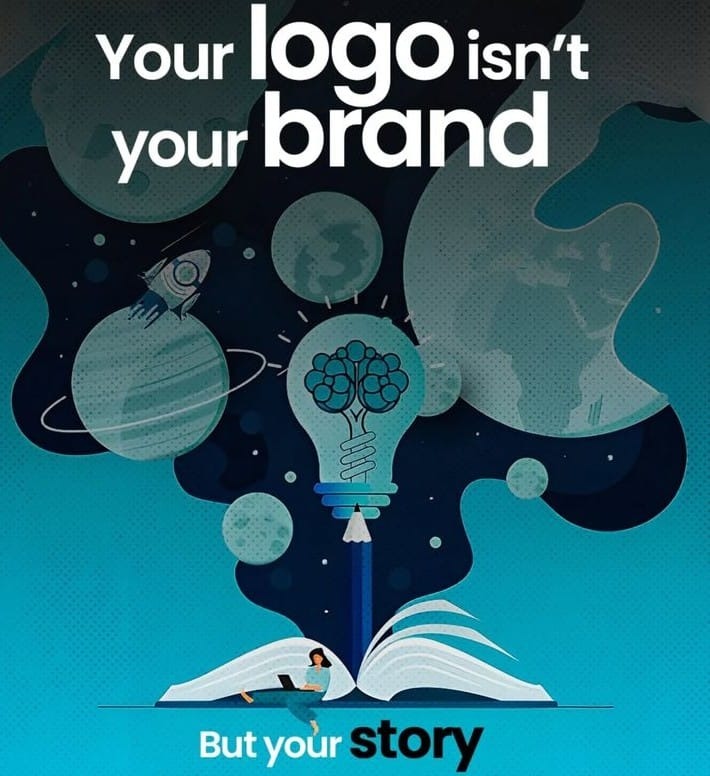
Supporting Brand Storytelling
Storytelling defines modern marketing. Brands share their journeys, missions, and values through blogs, videos, and social media campaigns. Your logo becomes the signature at the end of every story.
Each time your audience engages with your content, your logo reinforces the narrative. Over time, it becomes associated with your brand’s promises and achievements.
In 2026, authenticity is the currency of branding. A strong logo supports authentic storytelling by visually aligning with your core message.
Long-Term Business Growth and Brand Equity
A logo is not just a design asset. It is a long-term investment. As your business grows, your logo grows with it. It becomes associated with customer experiences, milestones, and success stories.
Brand equity builds gradually. When customers consistently associate positive experiences with your logo, its value increases. Eventually, the logo itself becomes a powerful business asset. Companies with strong brand identities often expand more easily into new markets. Their logos carry trust and recognition, reducing the effort required to introduce new products or services.
Adaptability in Emerging Digital Spaces
The digital world in 2026 includes virtual reality, augmented reality, and immersive brand experiences. Logos must adapt to these new environments.
Animated logos, responsive designs, and interactive brand visuals are becoming common. A strong logo design considers future adaptability from the start. It remains effective whether static or animated. Brands that fail to evolve visually risk becoming outdated. A forward-thinking logo ensures your brand remains relevant across technological shifts.
Building Trust in a Skeptical World
Modern consumers are cautious. With misinformation and low-quality businesses flooding the internet, trust is harder to earn.
A strong logo does not guarantee trust, but it supports it. When combined with quality service and consistent communication, it strengthens brand perception. Visual stability provides psychological reassurance. When customers see a polished and consistent logo, they feel more confident engaging with the brand.
The Role of Simplicity in 2026 Logo Design
Minimalism continues to dominate design trends. Clean lines, simple shapes, and balanced typography remain powerful.
Simplicity enhances memorability. Complex designs are harder to recall and reproduce. In contrast, a simple yet meaningful logo leaves a lasting impression. In fast-scrolling digital environments, simplicity ensures instant clarity. Your audience should understand and remember your logo within seconds.
Cultural Relevance and Global Reach
Businesses in 2026 often operate beyond geographical boundaries. A logo must resonate across cultures and demographics.
Symbols and colors carry different meanings worldwide. A strong logo considers cultural sensitivity and global appeal. It avoids misinterpretation while maintaining uniqueness. As businesses expand digitally, having a universally adaptable logo becomes a strategic advantage.
Reinforcing Businesses Voice and Personality
Your brand voice might be playful, authoritative, innovative, or compassionate. Your logo should reflect that personality.
Typography choices can express elegance or boldness. Color palettes can communicate energy or calmness. Design elements can hint at tradition or innovation. In 2026, branding is about alignment. Every element, from website copy to social media captions, should feel cohesive. A strong logo acts as the visual summary of that personality.
The Future of Logos and Business Identity
As technology evolves, branding will continue to transform. However, the core principle remains unchanged. Brands need clear visual representation.
In 2026, a strong logo is not optional. It defines who you are, what you stand for, and how you want to be remembered.
Your logo becomes the symbol of your journey. It represents your values, your ambitions, and your promise to customers. In a world where attention spans are short and competition is intense, that symbol holds immense power.
A strong logo does more than decorate your brand. It defines your identity, builds recognition, fosters emotional connection, and supports long-term growth. In 2026, it is not just part of branding. It is the foundation of brand identity itself.
Why is a strong logo important in 2026?
In 2026, digital competition is intense and attention spans are shorter than ever. A strong logo helps a business stand out instantly across websites, social media platforms, apps, and advertisements. It creates a visual identity that people can recognize quickly. Since most interactions begin online, a professional and memorable design builds trust from the very first glance and sets the tone for the entire customer experience.
How does a logo influence customer trust?
A well-designed logo signals professionalism, stability, and seriousness. When people see a clean and consistent visual mark across platforms, they subconsciously associate it with reliability. In contrast, a poorly designed or inconsistent symbol can raise doubts about quality. Over time, repeated positive experiences connected to the same visual identity strengthen trust and credibility.
What makes a logo memorable?
Memorability comes from simplicity, clarity, and uniqueness. A design that uses balanced typography, meaningful symbols, and thoughtful color choices is easier to recall. Overly complicated graphics are harder to recognize, especially in small digital formats like profile pictures or app icons. A memorable logo communicates its message quickly without overwhelming the viewer.
Should a logo follow trends in 2026?
Trends can inspire design choices, but relying completely on trends can make a logo feel outdated within a short period. While modern styles such as minimalism or responsive design are popular, the core concept should remain timeless. A strong logo balances contemporary appeal with long-term relevance so it can evolve without losing its identity.
How important is color psychology in logo design?
Color psychology plays a powerful role in shaping perception. Different colors evoke different emotions. For example, blue often communicates trust and stability, while red can express energy and passion. In 2026, where visual impressions happen instantly, the right color palette helps communicate personality and values without using words.
Can a small business succeed without a strong logo?
While a business can operate without a refined visual identity, growth may be slower and recognition weaker. A strong logo supports marketing efforts, improves recall, and enhances professionalism. Especially in competitive digital markets, a distinctive and consistent design can significantly improve visibility and customer confidence.
Pingback Successful Customers Strategies: 10 Ways Social Media Can Grow Your Brand and Reach More Customers - RootX Hosting