



Keyword research is one of the most important parts of search engine optimisation (SEO). It helps people and content creators understand what people are searching for on search engines such as Google, or other search engines etc. By choosing the right keywords, you can create useful content that matches your audience’s needs and improves your chances of appearing in search results.The keyword search is not only about with a high search volume but also is it about about a good keyword should be relevant to the content, match the user’s search intent, and have realistic ranking potential. In this article, we will explore 10 effective strategies to find the right keywords for your website.
Table of Contents
What is Keyword Research?
Keyword research is the process of discovering and analysing the words and phrases that people enter into search engines when looking for information, products, or services.
I f you write a article about a smartphone like:
- Best budget smartphones
- Cheap smartphones under ₹20,000
- Best phone for students
- How to choose a smartphone
- Smartphone buying guide

Why is Keyword Research Important for SEO?
The research for keyword helps to understand the target audience.
Some important benefits include:
- Helps attract relevant website visitors
- Improves content planning
- Helps search engines understand your content
- Helps identify new content ideas
- Supports better SEO titles and headings
- Helps you understand search intent
- Can improve organic traffic over time

Now let’s look at 10 effective keyword strategies.
1. Understand Your Target Audience
Research for your target audience then write a content related to their interests. Then search a keywords and think about who will read your content and what problems they want to solve after reading the article. For example, if the company provides a information about some technical things to install then, your audience may search for:
- How to install Linux
- What is cloud computing?
- Best laptops for students
- How does AWS work?
- How to create an S3 bucket
s.

2. Start With Seed Keywords
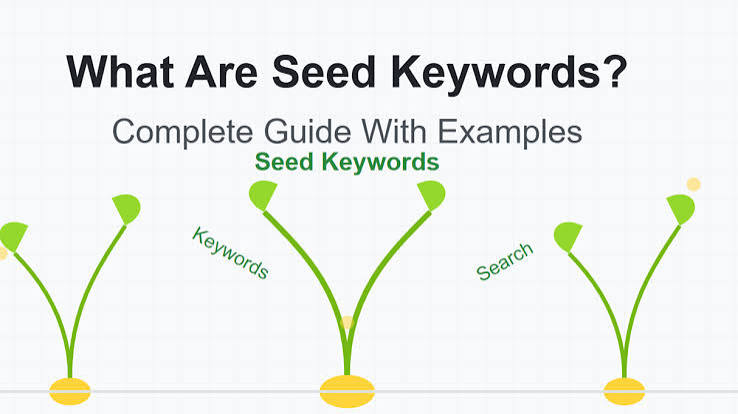
Seed keywords are short and general terms that describe the main topic of your website or article.
For example, if your topic is SEO, possible seed keywords include:
SEO
Keyword research
On-page SEO
Technical SEO
SEO tools
Website ranking
For example:
Seed keyword: Keyword research
Possible related keywords:
- Keyword research tools
- How to do keyword research
- Best keyword research strategy
- Keyword research for beginners
- Free keyword research tools
Starting with seed keywords makes the research process easier and more organised.
3. Use Keyword Research Tools
Search for the keyword tools can help then you will find some information about it, including search volume, competition, keyword difficulty, and related keywords.
Popular tools include Google Keyword Planner, Google Trends, Ahrefs, Semrush, and Ubersuggest.
look for such factors like,
- Search volume
- Keyword difficulty
- Competition
- Search intent
- Relevance
- Trends

4. Analyse Search intent
Users search for intents. The search intent is important because your content should help users what they actually wants.
There are some intent like:
Informational Intent
The user wants information.
Examples:
- What is SEO?
- How does keyword research work?
- What is cloud computing?
Navigational Intent
There is a website or pages like,.
Examples:
- Google Search Console
- YouTube login
- Amazon
Commercial Intent
The users will search for product and services before buying the product.
Examples:
- Best SEO tools
- Best laptops for students
- Ahrefs vs Semrush
Transactional Intent
The user is ready to take an action, such as purchasing a product.
Examples:
- Buy SEO software
- Buy a laptop online
- Subscribe to an SEO tool
5. Focus on Long -Tail Keywords
The long-tail keywords are usually long words and phrases.
For example:
Short keyword: SEO
Long-tail keyword: SEO strategies for small business websites
Long-tail keywords generally have more specific intent.
Other examples include:
- How to improve website SEO for beginners
- Best free keyword research tools for beginners
- How to optimize images for website SEO
- How to write SEO-friendly blog posts

6. Analyse Your Competitors
Other websites can search for keywords that are already working in your industry. Search the target keywords on Google and examine the websites appearing on the first page.
Look at:
- Page titles
- Headings
- Topics covered
- Content length
- Questions answered
- Related keywords
- Internal links
- Content structure
However, do not simply copy your competitors. Instead, identify gaps in their content and create something more useful, accurate, or comprehensive.
7. Use Google Search Suggestions
Type your main topic into Google and see the suggested searches. For example, typing “keyword research” may show suggestions related to:
- Keyword research tools
- Keyword research for beginners
- Keyword research examples
- Keyword research strategy
You can also check the “People also ask” section in search results. These questions can provide ideas for headings and FAQ sections.

8. Check Search Volume and keyword Difficulty
There are two important points to search focus keywords keyword difficulty and volume.
Search Volume
Search volume shows how often a keyword is searched during a particular period.
For example:
Keyword: SEO tools
Monthly search volume: 10,000
A higher search volume indicates greater potential traffic, but it may also mean stronger competition.
Keyword Difficulty
Keyword difficulty estimates how difficult it may be to rank for a particular keyword.
A keyword with very high difficulty may be challenging for a new website.
Therefore, try to find a balance between:
Search volume + relevance + competition + search intent
For a newer website, targeting specific keywords with reasonable search volume and manageable competition can be a practical approach.
9. Group Related Keywords
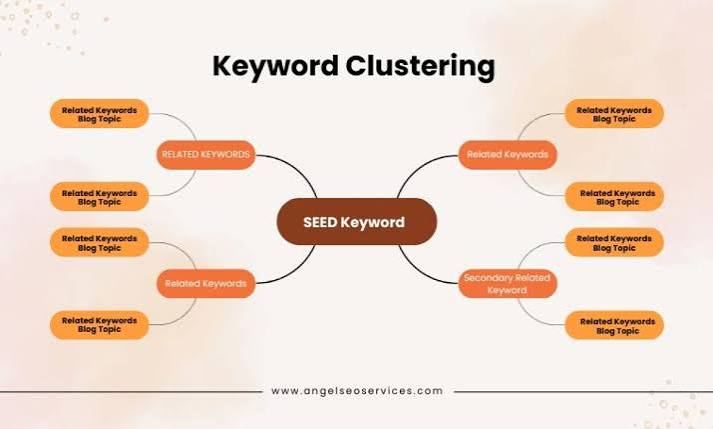
Once you have collected keywords, organize them into groups based on their topic and search intent. For example, for an SEO website, you could create groups such as:
Keyword Research
- Keyword research
- Keyword research tools
- Long-tail keywords
- Keyword difficulty
On-Page SEO
- On-page SEO
- SEO title
- Meta description
- Header tags
Technical SEO
- Technical SEO
- Website speed
- Mobile SEO
- XML sitemap
Grouping keywords helps you organise your content strategy and avoid creating several articles that target almost the same search query. You can create one comprehensive article around a main topic and naturally include closely related keywords where they are relevant.
10. Review and Update Your Keywords Regularly
Keyword research should not be a one-time activity. Search trends, user behaviour, competition, and search engine results can change over time. A keyword that performs well today may become less popular later. Use tools such as Google Trends to monitor changes in search interest. You should also review your existing website content periodically.
Check:
- Which keywords are generating traffic?
- Which pages are ranking?
- Which keywords have lost rankings?
- Are new related keywords appearing?
- Has search intent changed?
- Can the article be updated with new information?
Updating content with relevant keywords can help keep your website useful and competitive.
How to Choose the Right Keyword
After collecting a list of keywords, evaluate each keyword using a simple checklist.
Ask yourself:
- Is the keyword relevant to my topic?
- Does it match my target audience?
- What is the search intent?
- Does it have reasonable search volume?
- Is the competition manageable?
- Can my content provide a better answer?
- Can the keyword be used naturally in my article?
If the answer is yes to most of these questions, the keyword may be a good choice.
Example of Keyword Research
Suppose you want to write an article about choosing a budget smartphone.
Your initial seed keyword could be:
Smartphone
After research, you might discover more specific keywords:
- Budget smartphone
- Best budget smartphone
- Cheap smartphone
- Best smartphone under ₹20,000
- Smartphone buying guide
- Best phone for students
Instead of targeting only the broad keyword “smartphone,” you could choose a more specific keyword such as “best smartphone under ₹20,000.”
You can then create content that directly answers the user’s needs, including specifications, important features, comparison points, and buying tips.
Common Keyword Research Mistakes
Avoid these common mistakes when selecting keywords.
Choosing Only High-Volume Keywords
High-volume keywords may have significant competition. Consider relevance and ranking difficulty as well.
Keyword Stuffing
Do not repeatedly insert the same keyword into your content. Search engines prefer natural and helpful content.
Ignoring Search Intent
A keyword may look attractive, but if your content does not satisfy the user’s intent, it may not perform well.
Targeting Too Many Keywords
Trying to target dozens of unrelated keywords in one article can make the content confusing.
Forgetting Long-Tail Keywords
Specific search phrases can help you reach users with clear search intent.
Conclusion
Keyword research is a fundamental part of SEO and an important step in creating successful website content. It helps you understand what your audience searches for and allows you to create content that answers their questions. The most effective approach is to combine several strategies. Start by understanding your audience and identifying seed keywords. Then use keyword search tools, analyse search intent, explore long-tail keywords, study competitors, check Google suggestions, evaluate search volume and difficulty, group related keywords, and regularly review your keyword strategy.
Remember that successful SEO is not simply about choosing the keyword with the highest search volume. The goal is to select relevant keywords that match user intent and allow you to create genuinely useful content. With consistent keyword search and high-quality content, you can build a stronger SEO strategy and improve your website’s chances of attracting organic traffic.
FAQs
- What is keyword research in SEO?
Keyword research is the process of finding and analyzing search terms that users enter into search engines. It helps content creators choose relevant topics and keywords for their website. - Why is keyword research important?
Keyword research helps you understand your audience, identify content opportunities, target relevant searches, and build an effective SEO strategy. - What is a long-tail keyword?
A long-tail keyword is a longer and more specific search phrase. For example, “best SEO tools for small businesses” is more specific than “SEO tools.” - What is search intent?
Search intent is the reason why a person performs a particular search. It can be informational, navigational, commercial, or transactional. - Should I always choose keywords with high search volume?
No. High-volume keywords can have strong competition. A relevant keyword with moderate search volume and lower competition may be a better opportunity, especially for a newer website.
Leave a Reply